A breakdown of the Spring Statement:
Rachel Reeves today made her Spring Statement in the House of Commons. Previously, the Chancellor announced plans to reduce fiscal events to one per year, and today that promise came into fruition.
As a result, the Statement today contained no new policies impacting the accountancy market. However, with the new financial year just around the corner, there are several key aspects from the Autumn budget that will soon be implemented.
Accountancy Market Update
The accountancy industry is currently navigating a series of significant changes which will impact taxation in a variety of ways, most notably for companies.
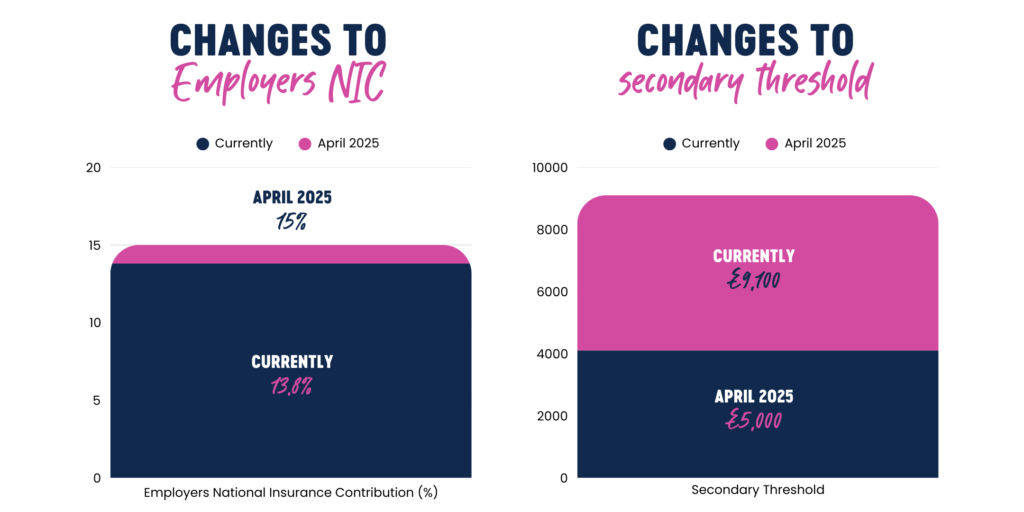
Next month sees the introduction of the increase to Employers National Insurance Contribution (NIC), which was announced during the Autumn budget to be rising from 13.8% to 15%. The same budget also announced the reduction of the secondary threshold for the employer NIC from £9,100 to £5,000.
The increase in Employment Allowance also comes into effect next month, which will see the allowance rise from £5,000 to £10,500. The government has claimed that this provision will mean that over 856,000 employers will pay no national insurance in the 2025/26 tax year.

April 2025 also marks the start of a 12-month countdown to the next stage of expansion for the government’s initiative to digitise tax reporting, Making Tax Digital (MTD). As of April 2026, sole traders and landlords with an income exceeding £50,000 will be required to comply with MTD regulations for Tax Self-Assessment.
The MTD regulations include, but are not limited to, the use of an HMRC-approved software (such as QuickBooks, Xero or Sage) to maintain tax records digitally rather than in paper format, and tax information must be submitted quarterly, rather than annually.
While April 2026 will see these regulations come into effect for those earning over £50,000, this threshold will be reduced to £30,000 in April 2027.
It is hoped that the new MTD initiative will help with cash flow management, reduce human errors and help to ensure companies are tax compliant. However, for many businesses, this means a costly investment into both softwares and the training of staff.
To watch a full update from our MD of Cooper Associates Accountancy, Kevin Parsons please click here.