Key takeaways:
- The Bank of England has held the Base Rate at 3.75% for the fifth consecutive meeting.
- Inflation dropped from 2.8% in May to 2.6% in June, remaining above the Bank of England’s 2% target.
- The Bank remains cautious about the possibility of inflation rising further later this year.
- Ongoing geopolitical tensions continue to create uncertainty around energy prices and inflation.
- Most mortgage borrowers will see no immediate change to their monthly payments.
- Borrowers approaching the end of a mortgage deal may benefit from reviewing their options early.
Why has the MPC decided to hold the Base Rate?
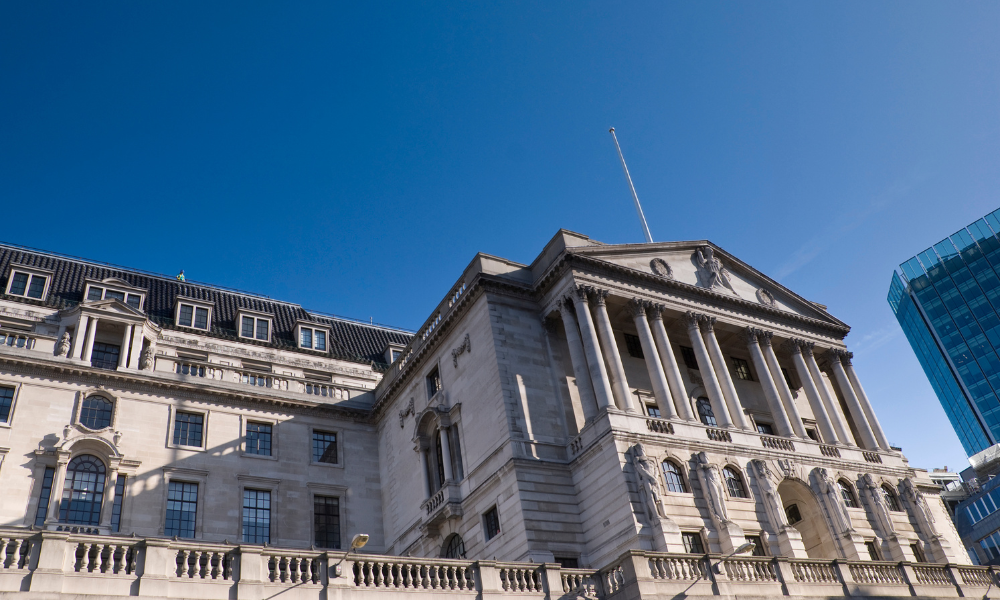
The Bank of England’s Monetary Policy Committee (MPC) has chosen to leave the Base Rate unchanged at 3.75% today (Thursday 30th July) as it continues to weigh the risk of future price increases. The MPC voted 6-3 in favour of the hold.
The latest Consumer Price Index (CPI) data showed inflation dropped from 2.8% in May to 2.6% in June. While this decrease is a positive sign and suggests inflationary pressures may be easing, it remains higher than the Bank of England’s 2% target. Services inflation and wage growth have remained relatively elevated, suggesting that inflationary pressures have yet to fully ease.
The Bank of England’s latest forecasts suggest inflation is expected to rise further during the second half of 2026, potentially moving above 3% before gradually returning towards target. As a result, the MPC continues to take a “wait and see” approach, assessing whether current inflationary pressures are temporary or likely to persist.
Chief UK economist at Deutsche Bank, Sanjay Raja, has said:
“We stick to our call for no change in Bank Rate this year. But the odds of a rate rise are increasing, in our view. The duration of the energy shock is becoming non-negligible.”
Raja’s comments suggest that although rates are expected to remain unchanged this year, persistent inflation and higher energy prices mean further rate rises cannot be ruled out.
Alongside inflation, the MPC will also be mindful of the UK’s changing political landscape. The appointment of a new Prime Minister, Chancellor and Cabinet means financial markets will be assessing the government’s economic plans and how they could affect the UK’s outlook. While political changes are unlikely to drive interest rate decisions on their own, they can influence market confidence and expectations for future inflation and economic growth.
Ongoing geopolitical uncertainty has also contributed to the Bank’s cautious approach. A short-term ceasefire between the US and Iran helped ease some pressure on global energy markets, but renewed tensions and concerns over shipping through the Strait of Hormuz have increased uncertainty once again. Policymakers appear to remain mindful that further disruption could push energy prices higher, which may impact household bills and wider costs across the economy.
Looking ahead, the outlook for future Base Rate movements remains uncertain and will depend on how inflation, economic growth and wider global events develop over the coming months.
How will the Base Rate hold affect my mortgage?
For most mortgage borrowers, today’s announcement means there is unlikely to be any immediate change to monthly repayments as a direct result of the Base Rate decision.
However, the impact will depend on the type of mortgage you have and where you are in your current deal.
Fixed-rate mortgages
Borrowers on fixed-rate mortgages will see no immediate impact from today’s announcement, as their interest rate will remain unchanged until the end of their current deal.
For those approaching the end of a fixed-rate period, however, it is important to understand that available mortgage rates may not move directly in line with future Base Rate decisions.
Borrowers coming to the end of a two-year fixed-rate mortgage may find that current rates are lower than those available when they secured their deal during the higher interest rate environment seen in 2024, when the Base Rate reached 5.25%.
Conversely, borrowers approaching the end of a five-year fixed-rate mortgage may find that available rates are higher than those secured in 2021, when the Base Rate remained at historic lows of 0.1% for much of the year.
Tracker mortgages
Borrowers with tracker mortgages linked directly to the Bank of England Base Rate will see their monthly repayments remain unchanged while the Base Rate stays at 3.75%.
If the Base Rate changes in the future, tracker mortgage payments will typically move in line with these changes.
Variable-rate mortgages
Those on a standard variable rate (SVR) or another lender-managed variable-rate mortgage are also unlikely to see an immediate change following today’s announcement.
However, lenders can review and adjust variable rates independently, meaning they do not always move directly in line with Base Rate decisions.
What is the current outlook for the mortgage market?
Mortgage rates have seen increased movement in recent weeks as financial markets continue to assess the outlook for inflation and future interest rates.
After several weeks of falling fixed-rate mortgages during June, a number of lenders increased rates during July following renewed geopolitical tensions in the Middle East and changing expectations around future Base Rate decisions.
Although CPI inflation fell from 2.8% in May to 2.6% in June, economists continue to expect inflation to rise again later this year as higher energy prices feed through into the wider economy. As a result, expectations of future Base Rate cuts have softened, likely contributing to higher mortgage pricing across parts of the market.
However, the market continues to evolve and while many lenders have increased selected fixed-rate products, others have continued to reduce rates on selected deals, highlighting how quickly mortgage pricing can change as economic conditions shift.
For anyone planning to remortgage, move home or purchase their first property, reviewing your options early can help ensure you are well prepared should market conditions change.
How can Cooper Associates Mortgages help?
Whether you are approaching the end of your fixed-rate deal, looking to move home, buying your first property or simply unsure how the latest Base Rate announcement affects you, having the right advice can help you make informed decisions with confidence.
Our independent mortgage advisers take the time to understand your circumstances, your plans and what matters most to you before helping you explore the mortgage options available.
We also continue to monitor mortgage rates after you have secured your mortgage. If a more competitive rate becomes available before completion, we will look to move you onto the lower rate wherever possible, subject to lender criteria and provided your case is not within 14 days of completion. This means you can secure a suitable mortgage rate while knowing that we continue to keep an eye on the market on your behalf.
If you would like to understand how today’s Base Rate announcement could affect your mortgage plans, get in touch for a fee-free, no-obligation meeting with one of our advisers today.
FAQs
- What are interest rates?
Interest rates determine the cost of borrowing money and the returns available on savings. In the UK, the Bank of England’s Base Rate acts as a benchmark for the wider cost of borrowing, influencing products such as mortgages, loans and savings accounts.
Generally, when interest rates rise, borrowing becomes more expensive. When rates fall, borrowing can become cheaper, although the impact will depend on the type of borrowing and wider market conditions.
- What is CPI?
The Consumer Prices Index (CPI) is the UK’s main measure of inflation. It tracks how the prices of everyday goods and services change over time. The Bank of England uses CPI to help decide whether interest rates should change. If inflation remains above its 2% target, interest rates are more likely to stay higher for longer.
- Why do interest rates change?
The Bank of England changes interest rates to help control inflation and support the wider economy. When inflation is too high, interest rates may increase to help slow spending and reduce price rises. Conversely, when inflation is under control, the Bank may consider holding or reducing rates to support economic growth.