
With the consistent rise of UK house prices over many years, more and more families are faced with large potential Inheritance Tax (IHT) liabilities.
According to MoneyWeek (19th June, 2025) the number of UK homes priced over £1 million has more than doubled over the past six years, rising by 103% since 2019.
For those with a house now valued over £1 million, it is essential to understand how this impacts your estate, the potential IHT liability attached, and how this affects the legacy you leave behind.
What is Inheritance Tax?
Inheritance Tax is a tax on the estate (widely comprising property, money and possessions) of someone who has passed away.
Currently, the standard rate of IHT is 40%, and it is charged on the value of an estate above certain thresholds.
The current thresholds are:
Nil-Rate Band (NRB): £325,000 per person
Residents’ Nil-Rate Band (RNRB): An additional £175,000 per person should the property be passed on to direct descendants (children or grandchildren).
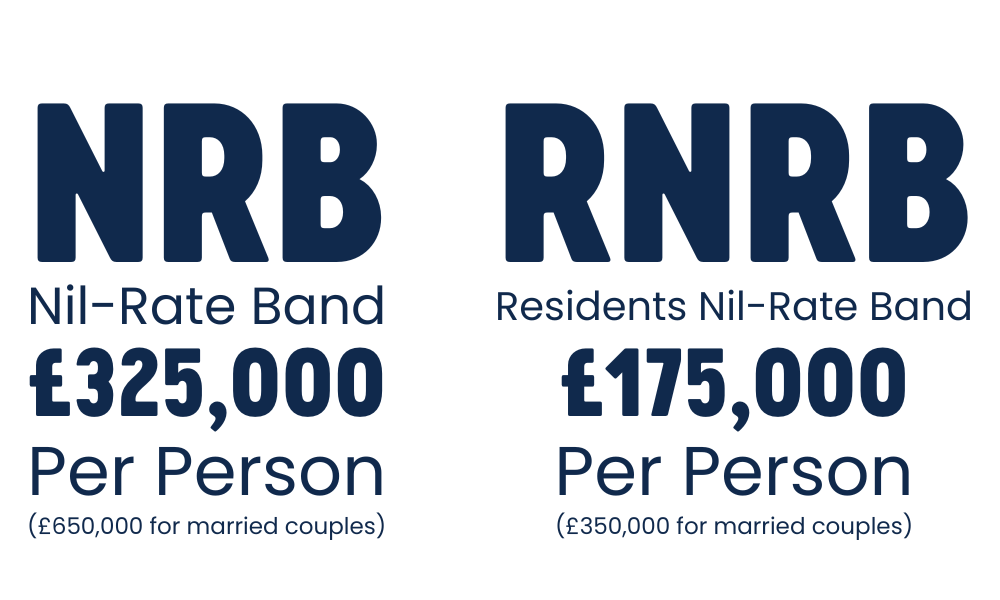
As a result, a person passing their home to their direct descendants can shield £500,000 from IHT, which doubles to £1 million in cases of married couples or civil partners.
It is clear to see, therefore, how owning a property worth over £1 million can have a major impact on a person’s IHT liability.
RNRB Tapering
There is an additional threshold that £1 million property owners need to be aware of – the £2 million RNRB tapering threshold.
In essence, the RNRB reduces by £1 for every £2 that the estate is over the £2 million threshold.
For example:
An estate worth £2,100,000 is £100,000 over the RNRB tapering threshold. As a result, the RNRB would be reduced by £50,000.
This tapering effect means that the RNRB is completely erased on an estate worth over £2.35 million or £2.7 million for married couples.
How a £1 million Property Affects your IHT Liability
Owning a property worth over £1 million means that any assets you own outside this are automatically liable for an IHT payment. This includes savings, investments, possessions and, from April 2027, most unused pensions and death benefits.
For example:
If a married couple owns property worth £1.2 million and has additional assets worth £600,000 combined:
- Their total estate value is £1.8 million
- This is above the IHT threshold but below the £2 million RNRB tapering threshold.
- They qualify for the full amount of available relief
- NRB – £325,000 each = £650,000 combined
- RNRB – £175,000 each = £350,000 combined
- Total = £1 million combined
- Their potential IHT liability is £800,000
- £200,000 in house value plus all additional assets are subject to IHT
- With a 40% IHT rate, this means that their total IHT liability is £320,000.
The importance of IHT planning: Who is your favourite child?
When it comes to IHT planning and the legacy you leave behind, it is important to ask, “Who is your favourite child?”
Consider the following example:
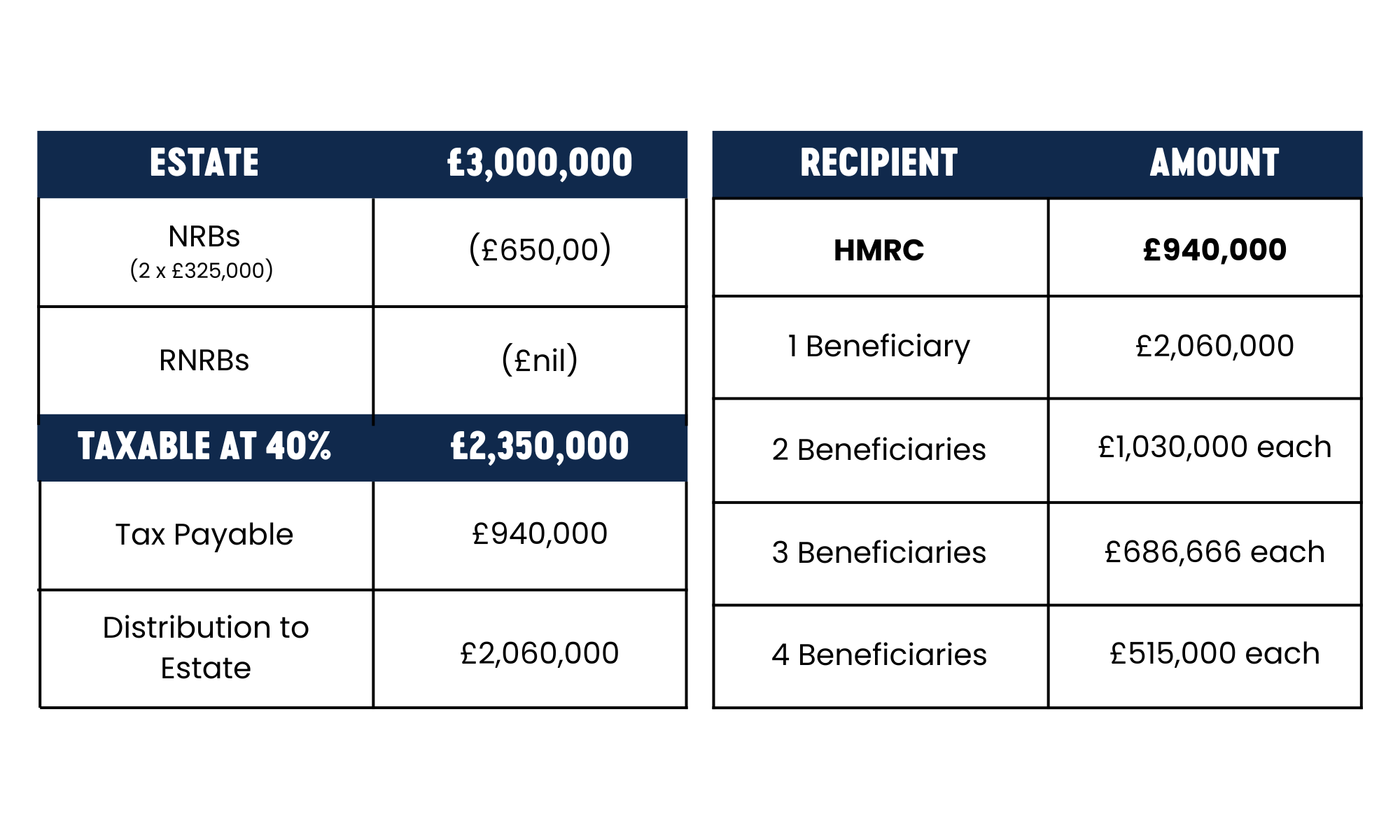
*This example is for illustration purposes only and does not represent any actual client circumstances.
As the above illustration demonstrates, the individual has an estate value of £3 million and 3 dependents named in their Will. Given the current IHT regime, HMRC receives a larger payment than each dependent inherits. It is in this scenario that we say that HMRC are the “favourite child”.
Without proper planning, a significant proportion of your estate could go to HMRC instead of those to whom you wish to leave your legacy.
For families looking to pass on wealth to future generations, IHT can greatly reduce the value of your legacy.
How can you reduce your IHT liability?
There are several strategies that may help reduce an Inheritance Tax liability, depending on your circumstances. These include:
Making use of lifetime gifting
You can give away assets during your lifetime. Gifts made more than seven years before death are typically exempt from IHT, removing the requirement for a tax payment from the recipient while simultaneously reducing the value of your estate.
Consider a Whole of Life policy
Paying monthly into a life insurance policy written in trust is one way to slowly reduce the value of your estate while providing your beneficiaries with a lump-sum payout upon second death to cover any outstanding liability.
Regularly review your Will and estate plan
Constantly ensuring that your estate is managed in a tax-efficient way is important in counteracting the gradual increase in property value.
How can Cooper Associates Wealth Management help?
Owning a home valued over £1 million is a powerful way to pass wealth and legacy on to the next generation, but without proactive planning, it can also create a substantial IHT liability.
At Cooper Associates Wealth Management, we specialise in providing holistic advice tailored to each client’s specific needs and goals.
We can help you understand your options and develop a strategy designed to help manage potential Inheritance Tax liabilities while supporting your financial objectives.
Get in touch today to discover how we can help you.
The levels and bases of taxation and reliefs from taxation can change at any time. The value of any tax relief depends upon individual circumstances.
Will writing involves the referral to a service that is separate and distinct to those offered by St. James’s Place and along with Trusts are not regulated by the Financial Conduct Authority.
SJP Approved: 14/08/2026