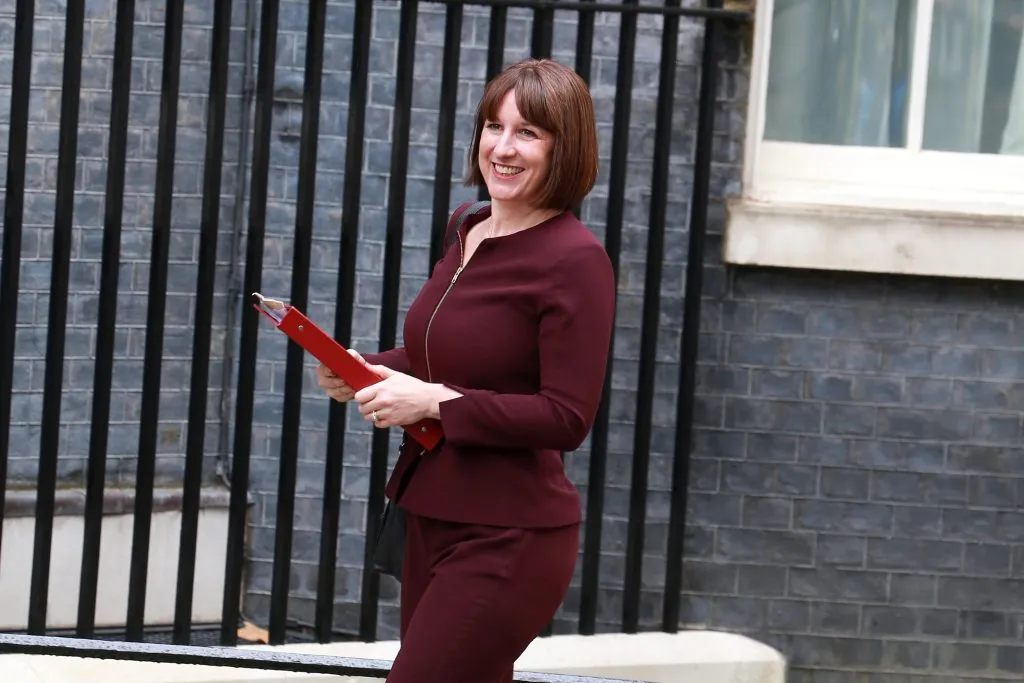
November 26th saw Chancellor Rachel Reeves take to the lectern to deliver the 2025 Autumn Budget. This is the Labour Government’s second meaningful budget this term as they stick to their commitment to limit major fiscal events to once per year.
The 2025 Autumn Budget brings a series of fiscal measures, most notably to taxation on salary sacrifice schemes, freezes to personal allowances and a 2% increase on dividend, savings and property tax. These changes will impact how many individuals and families plan for their future.
The Budget brings with it vast change, however several pre-budget rumours have now officially been put to rest, including the rumoured cap on the pension tax-free lump sum allowance (LSA), which will remain at £268,275 for the time being at least.
Here is a breakdown of the key measures implemented, alongside clear and practical insights into how you may be impacted:
The Key Changes from the 2025 Autumn Budget
A cap on tax-free salary sacrifice
The Chancellor announced that, from April 2029, salary sacrificed pension contributions of over £2,000 per year will no longer benefit from National Insurance Contributions (NIC) exemptions.
Under current legislation, and until April 2029, there is no taxation at all on salary sacrifice, provided that the sum is within their pension annual allowance.
Under the change announced by the Chancellor, any salary sacrificed above the new £2,000 threshold will be subject to National Insurance Contributions at the standard rate for both employers and employees.
The current employees NIC rate is 8% between £12,571 to £50,270 and 2% on earnings over £50,270.
A freeze on personal tax rates
The Autumn Budget also announced a further three-year extension of the freeze on the personal allowance, higher-rate and additional-rate thresholds, freezing them until 2030/31.
The current thresholds are:
| Band | Taxable Income (above personal allowance) | Tax Rate |
| Personal Allowance | £12,570 | 0% |
| Basic Rate | £12,571 – £50,270 | 20% |
| Higher Rate | £50,271 – £125,140 | 40% |
| Additional Rate | Over £125,140 | 45% |
According to the Office for Budget Responsibility (OBR), this freeze on thresholds plays a major role in the forecast of 5.1% per year increase in the tax generated.
However, as a result of this freeze, thresholds will not rise with inflation, meaning more people will move into higher tax brackets as inflation pushes wages higher – a process known as “fiscal drag”.
The OBR predicts that this measure, combined with previous freezes, may bring 5.2 million more people into paying income tax, 4.8 million more into the higher-rate threshold and 600,000 more into the additional-rate brackets between 2012/13 and 2030/31.
A 2% rise on property, saving and dividend tax
From April 2026, both the basic and higher rates of dividend tax will rise by 2%, bringing them up to 10.75% and 35.75% respectively.
In addition, under currently announced legislative plans, from April 2027 the basic, higher and additional rates of savings and property income tax will also rise by 2%.
For both savings and property income tax, this will bring rates to 22% (basic), 42% (higher) and 47% (additional).
ISAs
The Chancellor announced that the full ISA allowance, currently set at £20,000, will remain intact.
The Government predicts that this, combined with the previously mentioned increase in tax rates on property, savings and dividends income tax, will help to make ISA investments more attractive.
Speaking on the outcome of the Autumn Budget, Simon Dawes, Managing Director of Cooper Associates Wealth Management, said:
“On reflection, the changes outlined in the Autumn Budget aren’t as bad as initially anticipated, especially considering the amount of noise in the media surrounding this announcement.
Three key areas which will likely impact many of our clients are the changes to ISA allowances, salary sacrifice schemes and further freeze to income tax thresholds.
All things considered, a relatively light touch fiscal budget from the Chancellor.”
Upcoming changes from the 2024 Autumn Budget
While all focus now turns to the changes announced in the 2025 Autumn Budget, it is important to remember that several changes announced at last year’s 2024 Autumn Budget are now on the horizon.
Agricultural and Business Property Reliefs
The 2024 Autumn Budget announced changes to IHT on combined business and agricultural property, which comes into effect from April 2026. This means:
- The tax-free threshold for combined business and agricultural property will be capped at £1 million, meaning no IHT is due on assets up to this amount.
- For assets over £1 million, IHT will apply with a 50% relief available. This results in an effective IHT rate of 20%.
Business Assets Disposal Relief
At the 2024 Autumn Budget, the Chancellor announced that Business Asset Disposal Relief (BADR) would incrementally rise over the following 2 years, increasing from 10% to 14% in April 2025 before a further increase to 18% in April 2026.
Inherited Pensions
Currently, pensions are considered outside of a person’s estate, allowing them to be passed on to beneficiaries free from inheritance tax. However, the expiry date for this beneficial tax treatment draws near.
From April 2027, pensions will be considered under the IHT umbrella and will be subject to taxation at standard IHT rates.
How Can Cooper Associates Wealth Management Help You?
This article outlines the key measures introduced in the Autumn Budget, but it is important to be aware of additional changes that may impact you. Follow these links to discover how the announcement affects your mortgages and impacts your taxation.
If you are concerned about any of the changes announced at this year’s Autumn Budget, our team of friendly expert financial advisers are here to help.
Get in touch today to book a consultation and discover how Cooper Associates Wealth Management can assist you through bespoke, tailored guidance to help you make the most of your finances.
The levels and bases of taxation and reliefs from taxation can change at any time and are dependent on individual circumstances.
SJP Approved 12/08/26