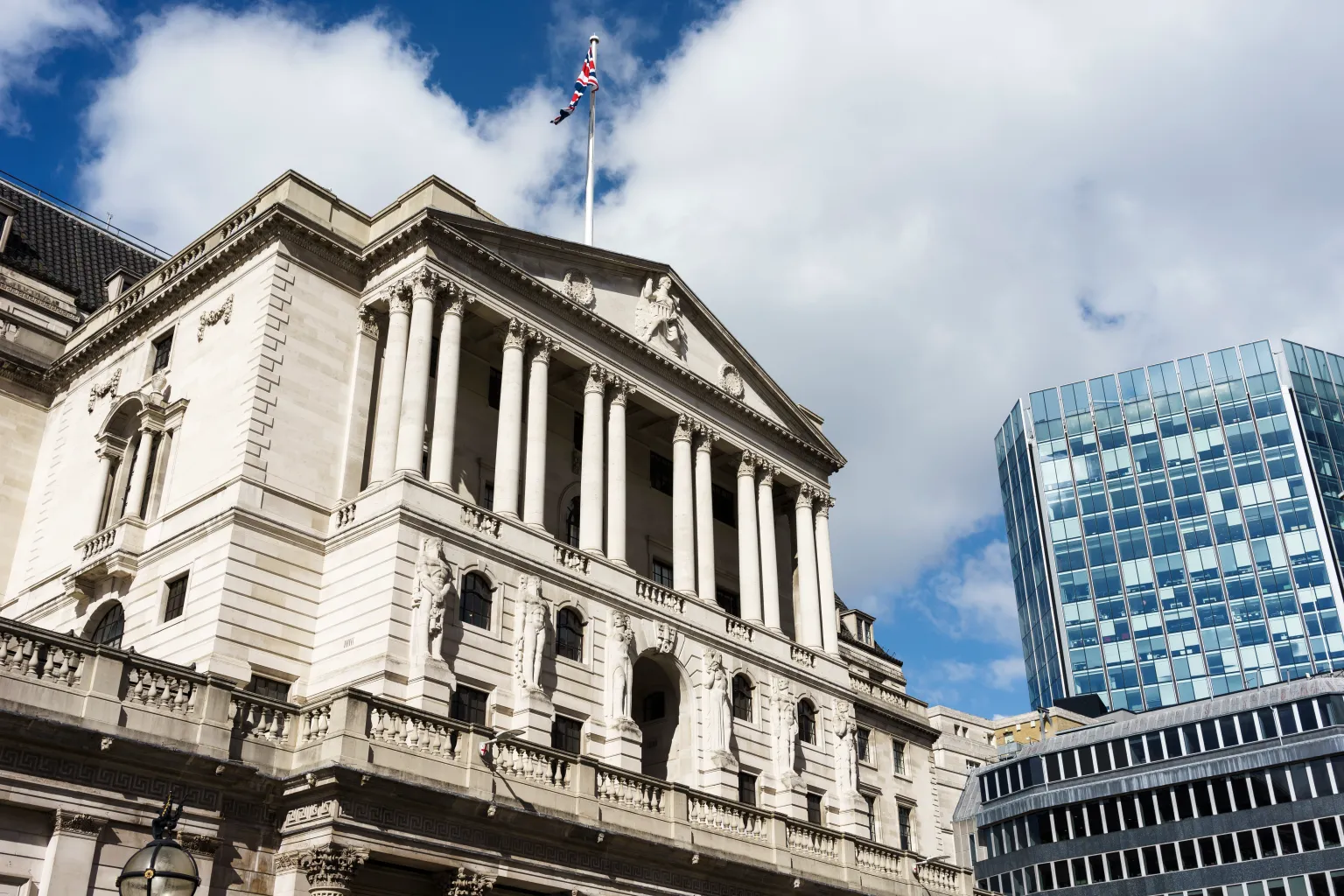
The Bank of England’s Monetary Policy Committee (MPC) met today (Thursday 6th November), announcing that base rate will hold at 4%.
The announcement follows comments made by Bank of England Governor Andrew Bailey in early September, when he warned that there was “considerably more doubt” about further rate reductions in 2025.
Given that the most recent rate cut in August, a quarter-point reduction, passed by a narrow 5-4 vote, today’s decision reflects a more cautious stance from the Bank and marks the second consecutive hold.
Why has the Bank of England held base rate?
Inflation:
One of the key factors behind today’s decision is the ongoing challenge of managing inflation.
The Bank uses the base rate to influence inflation by adjusting borrowing and spending levels. Lowering the base rate encourages borrowing and spending, which can push prices higher. Raising the rate, meanwhile, help to cool demand and reduce inflationary pressure.
Figures released in October show inflation at 3.8%, still above the Bank’s 2% target but slightly below the 4% previously forecast. With inflation showing no movement for three consecutive months, the data suggests a potential period of stabilisation or early disinflation.
Softening labour market:
The UK labour market has shown signs of softening, which can often lead to lower rates. However, conditions remain relatively stable, allowing the MPC to prioritise bringing inflation closer to its 2% target without the need for immediate economic stimulation.
This cautious approach suggests that the Bank is waiting for additional economic data before considering any further reductions.
Global and domestic fiscal uncertainty
This month’s decision also comes against a backdrop of significant domestic and international uncertainty.
In the UK, attentions turn towards the upcoming Autumn Budget, with Chancellor Rachel Reeves signalling potential tax increases on the horizon. Any fiscal changes could impact inflation, and the MPC will likely want to analyse these effects before taking further action.
Internationally, uncertainty surrounds Donald Trump’s proposed tariffs, which are currently under Supreme Court review. This adds further complexity to the global economic outlook which tends to encourage caution amongst policy makers.
What does the base rate hold mean for mortgage holders?
While the decision to hold the base rate won’t cause any immediate changes to mortgage repayments, it does have several implications depending on your mortgage type. Below is a breakdown:
| Mortgage type | Impact of base rate hold | Notes |
| Fixed-rate (existing) | No change during the fixed term. | Monthly payments remain the same until the deal ends. |
| Fixed-rate (remortgaging) | Stable conditions support forward planning. | Those remortgaging from 2 year fixes may benefit from lower rates compared with late 2023. |
| Tracker/svr mortgages | No immediate change. | Rates remain aligned with the current base rate, offering stability. |
| First-time buyers | Rates remain consistent. | Market sentiment may cause minor rate movements, but overall conditions remain steady. |
Fixed-rate mortgages (existing)
Borrowers currently on a fixed-rate deal are protected from rate changes until the end of their fixed-rate term and therefore will not see any change to their monthly repayments.
Remortgaging
Those nearing the end of a 2-year fixed rate may find improved product rates compared to 2023 when the base rate stood at 5.25%. However, those coming off 5-year fixed rate deals, initially taken out when base rate was around 0.1%, are likely to see significantly higher monthly repayments when securing their new deal.
Tracker and variable rate mortgages
Tracker and variable rate mortgage borrowers will see little-to-no immediate impact, with rates remaining consistent at currently levels.
For example, if your tracker rate is base + 1%, your total rate will remain at 5%.
While these rates remain higher than in 2022, the recent stability should provide reassurance to borrowers.
Market sentiment and looking forward
The key takeaway from the MPC’s decision is stability. The Bank appears to be balancing inflation management with a cautious view of the broader economy.
If inflation continues to ease through 2025, we may see further rate reductions in early 2026. For now, however, this hold represents a period of steady conditions for borrowers.
How can Cooper Associates Mortgages help?
Whether you’re buying your first home, remortgaging or moving property, Cooper Associates Mortgages are here to help.
Our award-winning team of expert advisers take the time to truly understand your individual circumstances, offering bespoke, fee-free mortgage advice designed to help you make confident and informed decisions.
With rates currently stable, but the potential for further reductions early next year, now is the time to review your options and, if applicable, lock in your mortgage rate. Our commitment to swapping you to a better rate should one become available (up to 14 days from your completion date) means that you can still benefit from any upcoming rate reductions with the added peace of mind that your rate is secured.
Get in touch today to discover how our fee-free, whole-of-market advice can help you to secure the best possible mortgage deal.