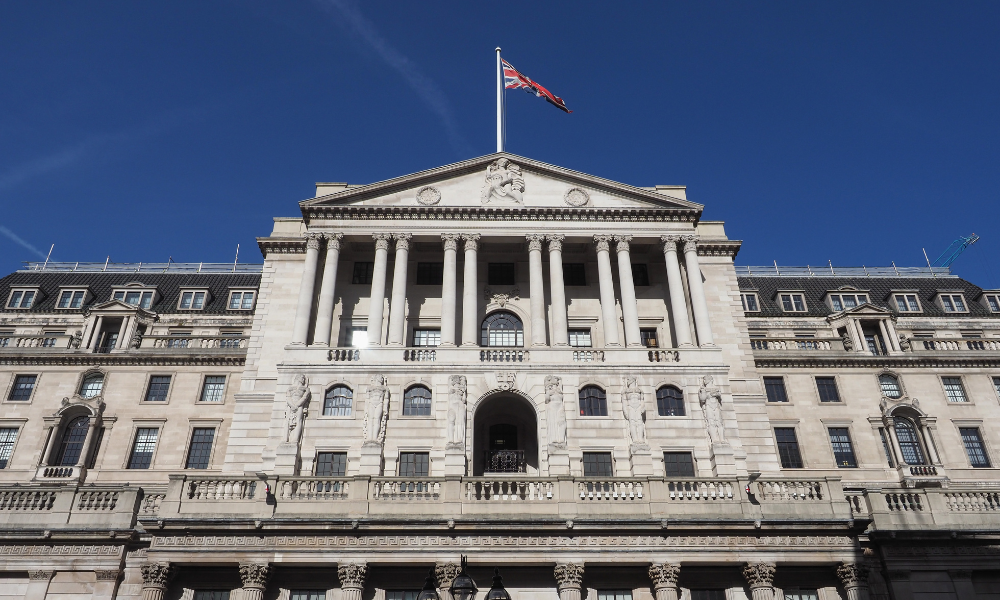
The Bank of England’s Monetary Policy Committee (MPC) met today (Thursday 18th December) and announced their decision to end 2025 with one final 25-base point reduction for the year, bringing the rate down to 3.75%.
This reduction in base rate marks the 4th such reduction in 2025, following 25-base point cuts in February, May and August, and sees base rate fall below 4% for the first time since January 2023.
This decision, widely expected by market analysts, reflects a growing confidence that inflationary pressures are easing and that an emphasis should be placed on stimulating growth in the economy.
What has driven the Bank of England’s decision to reduce base rate?
The MPC decision to reduce base rate is likely to have been driven by a combination of upturning inflation data and signals that the UK’s overall economic momentum requires stimulation.
Latest inflation data
The idea that inflationary pressures are easing is supported by the inflation data released on 17th December, showing that inflation has fallen to 3.2% – substantially lower than the expected figure of around 3.5%.
December’s data marks the second consecutive month of decreasing inflation, with figures released in November showing a 0.2% reduction. This comes following 3 consecutive months of no movement in inflation.
This gives policy makers increased confidence that inflation is coming under control and supports the idea that the UK may be entering into a period of disinflation, increasing the MPC’s ability to reduce rates without risk of spiking the CPI.
Subdued economic growth
Certain economic factors, both long-term and short-term, have impacted consumer confidence. Long-term, high borrowing costs over the past two years have slowed spending and borrowing, while short-term, uncertainty around the impact of the recent Autumn Budget has driven increased caution, especially in the housing market.
This lack of economic activity is likely a key factor behind the MPC’s decision to reduce rates, as lower rates make borrowing more appealing to consumers which, in turn, stimulates spending and boosts demand.
What does a reduced base rate mean for mortgage borrowers?
The impact of a reduction in base rate will vary depending on the type of mortgage that you have.
Fixed-rate mortgages
Those on fixed-rate mortgages will not see any immediate change as their interest rate is locked in for the duration of their deal.
Remortgaging/Home Movers/First Time Buyers
Those looking to secure a new mortgage in the near future may find that rates reduce slightly. However, most major high street lenders are not reactive, and have instead been costing in this reduction over recent weeks. As a result, those looking to apply for a new mortgage may be surprised by how little rates drop in response to this decision.
Variable Rate/Tracker mortgages
Those with mortgage products directly linked to the base rate, such as Variable Rate or Tracker mortgages, can expect to see their monthly repayments reduce as a result of the MPC’s decision.
How can Cooper Associates Mortgages help?
Whether you’re looking to start the new year looking for your first home, remortgaging or looking to upsize, our team of expert, award-winning advisers are here to help.
Our advisers offer friendly, whole-of-market advice that takes a truly holistic view of your financial position and long-term goals. From your first conversation through to competition and beyond, our team will guide you through the mortgage landscape with clarity and confidence.
Should rates fall further and a better deal become available to you between now and you moving into your new home, our advisers will swap you to that better rate, so you can be confident that you’re always getting the best possible rate.
Get in touch today and find out how Cooper Associates Mortgages can support you on your mortgage journey.