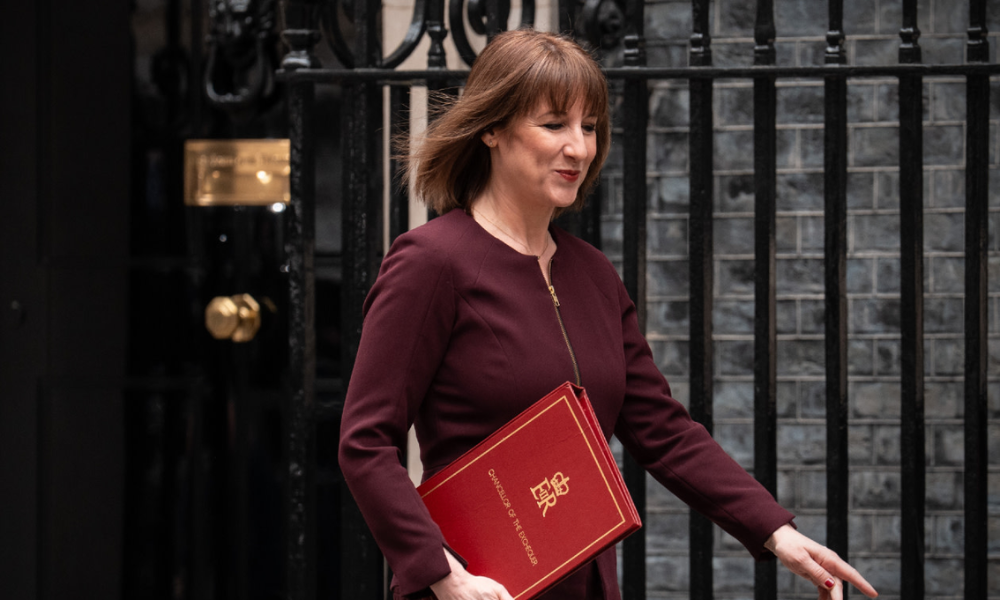
November 26th 2025 saw Chancellor of the Exchequer, Rachel Reeves, deliver the Labour Government’s second Autumn Budget. The announcement sets out a series of changes across a range of economic issues, but what are the key takeaways for homeowners, the housing market and could it impact your mortgage?
While the highly anticipated budget saw changes across a variety of areas, including ISAs, pensions and salary sacrifice, the mortgage market saw the implementation of so called “Mansion Tax” and an increase to property related income tax.
In this article, we will unpack the key changes impacting the mortgage market and provide helpful insights into how these changes may impact you.
What are the key changes impacting mortgages from the budget?
New High Value Council Tax Surcharge
In England, a new annual surcharge, rumoured as the “Mansion Tax”, will be introduced from 2028 and impacts homeowners with properties worth £2 million or higher.
The surcharge will begin at £2,500 for properties valued at £2 million and will rise to £7,500 for properties worth over £5 million.
This charge will be collected alongside council tax payments, with deferral options yet to be confirmed.
Properties will likely need to be revalued to ensure the correct charges are applied, with there being eight current council tax bands:
| Council tax band | Value on 1st April 1991 |
| A | Up to £40,000 |
| B | £40,001 to £52,000 |
| C | £52,001 to £68,000 |
| D | £68,001 to £88,000 |
| E | £88,001 to £120,000 |
| F | £120,001 to £160,000 |
| G | £160,000 to £320,000 |
| H | More than £320,000 |
Considering current property valuations, it is likely you will only be required to pay the high value council tax surcharge if your property is categorised as band H or potentially band G. However, more will be known upon the release of full details.
Rental property tax increases
Under the 2025 Autumn Budget, Rachel Reeves announced that income tax rates on rental incomes will increase by 2% starting from April 2027.
This change will impact the basic, the higher and additional rates. As a result, the basic rate will rise to 22%, the higher rate will rise to 42% and the additional rate will rise to 47%.
For landlords and property investors, this increase will result in their taxable rental income profits being subject to a higher overall tax rate, which could significantly reduce net returns for landlords.
Thomas Jackson, Managing Director of Cooper Associates Mortgages, commented on the Budget:
“There was a lot of speculation going into this Autumn Budget that there would be significant changes for landlords and individuals owning high value residential properties.
The increase to property related income tax, initially appears more simplified than the rumours of the Introduction of National Insurance Contributions of Rental Income.
The Mansion Tax is predicted to affect approximately 1% of homeowners and whilst a new surcharge, it is much less than the rumoured annual property charges.
There was also a lot of speculation that we could see major reform of Stamp Duty Land Tax (SDLT) potentially moving from the buyer to the seller, however there has been nothing mentioned of this today which will no doubt be much relief to a lot of potential home movers.”
Interest rate forecasts
The OBR stated the average mortgage interest rate is expected to rise from 3.7% in 2024 to 5% in 2029, which is only 0.2% higher than the March OBR forecast.
This is because existing homeowners who secured a 5-year fixed-rate mortgage of 1-2% in 2020/21/22 will move to higher rates when remortgaging in 2025/26/27.
The increase of homeowners securing mortgages at higher rates will increase the national average as the number of homeowners on historical lower rates will drastically decrease from 2025 onwards.
Whilst this does mean mortgage repayments will rise when remortgaging, predictions are rates appear stable for the coming years, giving confidence to buyers and current homeowners.
Buy-to-Let properties will face higher mortgage costs with potential lower yields due to further tax policy announcements.
Assuming a repayment mortgage of £250,000 over a 30-year term, these rates would apply:
3.7% = £1,150.70 a month.
5% = £1,342.05 a month.
Following the example above, homeowners on the higher rate would face a payment increase of £191.35 more per month, amounting to £2,296.02 more per year (£11,481 more over 5 years).
How can Cooper Associates Mortgages help you?
This article outlines the key measures introduced in the Autumn Budget that impact the housing market, but it is important to be aware of additional fiscal policies that may impact you in other areas. Follow these links to discover how the announcement may affect your taxation and personal finances.
Our team of expert mortgage advisers offer holistic, friendly advice and are here to answer any questions you may have regarding the potential impact of the budget on your mortgage.
Get in touch today to book a zero-obligation initial consultation and discover how Cooper Associates Mortgages can help you manage your mortgage through tailored, bespoke advice.